

Mastering Budgeting for Beginners
Budgeting can seem overwhelming, but it’s one of the most powerful tools for achieving financial freedom.
I’m Frederick Ankomah, and I’ve experienced firsthand how effective budgeting can help you manage your finances, pay off debt, and build wealth.
In this post, I’ll guide you through the basics of budgeting and share practical tips to help you get started.
Step 1: Set Your Financial Goals
Start by defining what you want to achieve. Are you saving for a vacation, paying off debt, or building an emergency fund? Clear goals give your budgeting purpose and motivation.
Step 2: Track Your Income and Expenses
Begin by listing all sources of income and all monthly expenses. Use apps or spreadsheets to categorize your spending (e.g., groceries, utilities, entertainment). Understanding where your money goes is crucial for effective budgeting.
Step 3: Create Your Budget
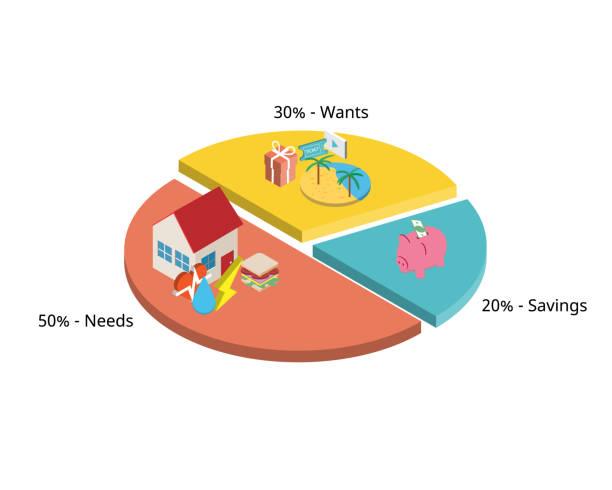
Based on your income and expenses, create a budget that allocates funds for each category. Ensure your essential expenses are covered, and then allocate money toward savings and discretionary spending. The 50/30/20 rule is a great starting point: 50% for needs, 30% for wants, and 20% for savings and debt repayment.
Step 4: Stick to Your Budget
Commit to checking your budget regularly. This will help you stay on track and make adjustments as needed. If you overspend in one category, find areas to cut back in others to stay within your overall budget.
Step 5: Review and Adjust
Budgeting isn’t a one-time task; it’s an ongoing process. Review your budget monthly to see what’s working and what isn’t. Adjust your budget as your income or expenses change, and always celebrate your progress!

Conclusion:
Budgeting can transform your financial situation and help you achieve your goals. Start small, stay committed, and watch your financial confidence grow. For more tips on budgeting and personal finance, be sure to follow Rich Rifts!