
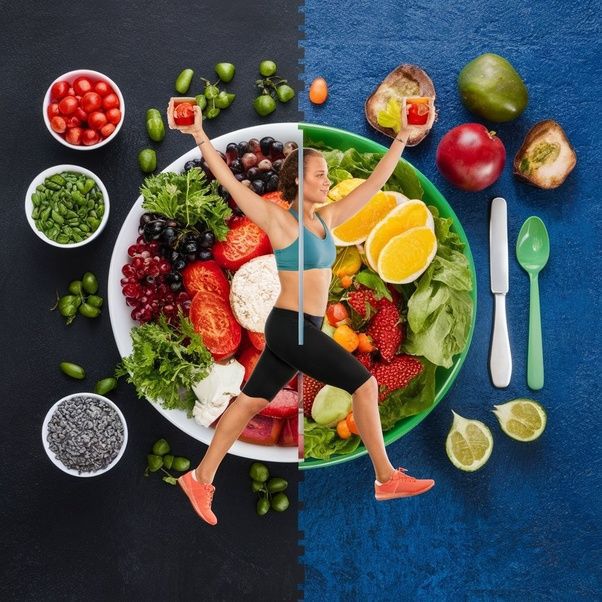
Processed foods have become a staple in many diets due to their convenience and taste. However, limiting processed foods and focusing on whole foods is essential for maintaining good health and preventing chronic diseases. Whole foods, such as fruits, vegetables, whole grains, nuts, seeds, and lean proteins, are minimally processed and packed with nutrients that nourish the body.
What Are Processed Foods?
Processed foods are those that have been altered from their natural state through methods like freezing, canning, frying, or adding preservatives, flavorings, and other chemicals. While minimally processed foods (e.g., frozen vegetables or canned beans) can still be nutritious, highly processed foods like sugary snacks, sodas, instant noodles, and fast foods often lack essential nutrients and are high in unhealthy fats, sugars, and sodium.
Why Choose Whole Foods?
Whole foods are foods that are as close to their natural state as possible. They are free of artificial additives and provide a rich source of essential vitamins, minerals, fiber, and antioxidants. Examples include fresh fruits, vegetables, legumes, whole grains, nuts, and unprocessed meats.
Health Benefits of Limiting Processed Foods and Eating Whole Foods
1. Improved Nutrient Intake
Whole foods are nutrient-dense, offering vitamins, minerals, and antioxidants that processed foods often lack. These nutrients are vital for immune function, energy production, and overall health.
2. Better Digestive Health
Whole foods, particularly fruits, vegetables, and whole grains, are rich in dietary fiber, which promotes healthy digestion, prevents constipation, and supports gut microbiome balance.
3. Weight Management
Processed foods are often calorie-dense but nutrient-poor, leading to overeating. Whole foods are more filling due to their high fiber and water content, helping to regulate appetite and prevent weight gain.
4. Reduced Risk of Chronic Diseases
- Heart Disease: Whole foods are low in unhealthy fats and sodium, reducing the risk of hypertension and cardiovascular diseases.
- Diabetes: Whole foods have a lower glycemic index, leading to stable blood sugar levels compared to processed sugary snacks.
- Cancer: Antioxidants in fruits and vegetables help combat oxidative stress and reduce the risk of certain cancers.
5. Enhanced Mental Health
Studies suggest that diets rich in whole foods can improve mood and cognitive function, while diets high in processed foods may contribute to anxiety, depression, and poor memory.
6. Better Energy Levels
Whole foods provide a steady release of energy due to their complex carbohydrates, proteins, and healthy fats. Processed foods, on the other hand, often cause energy spikes and crashes due to their high sugar content.
7. Stronger Immune System
The vitamins, minerals, and antioxidants in whole foods strengthen the immune system, helping the body fight off infections and diseases.
Practical Tips to Transition to Whole Foods
- Shop Smart: Focus on the perimeter of grocery stores where fresh produce, meats, and whole grains are typically located.
- Cook at Home: Preparing meals from scratch allows you to control the ingredients and avoid preservatives and additives.
- Read Labels: Avoid foods with long ingredient lists or unfamiliar chemical additives.
- Snack Wisely: Replace chips and cookies with nuts, seeds, or fresh fruits.
- Gradual Changes: Start by replacing one processed item per meal with a whole food alternative.
Examples of Whole Food Replacements
- Replace sugary cereals with oatmeal topped with fruits and nuts.
- Swap white bread with whole-grain bread or sprouted grain options.
- Replace soda with water infused with fresh fruits or herbal tea.
- Substitute processed deli meats with fresh, lean cuts of chicken or turkey.
✨ The Bottom Line
Limiting processed foods and prioritizing whole foods is one of the simplest and most impactful steps toward a healthier lifestyle. Whole foods provide essential nutrients, reduce the risk of chronic diseases, and improve overall well-being. By making mindful choices and adopting whole foods into your diet, you can enjoy long-term health benefits and a more vibrant, energetic life.
For more information, contact +233 (0) 54 732 9421