
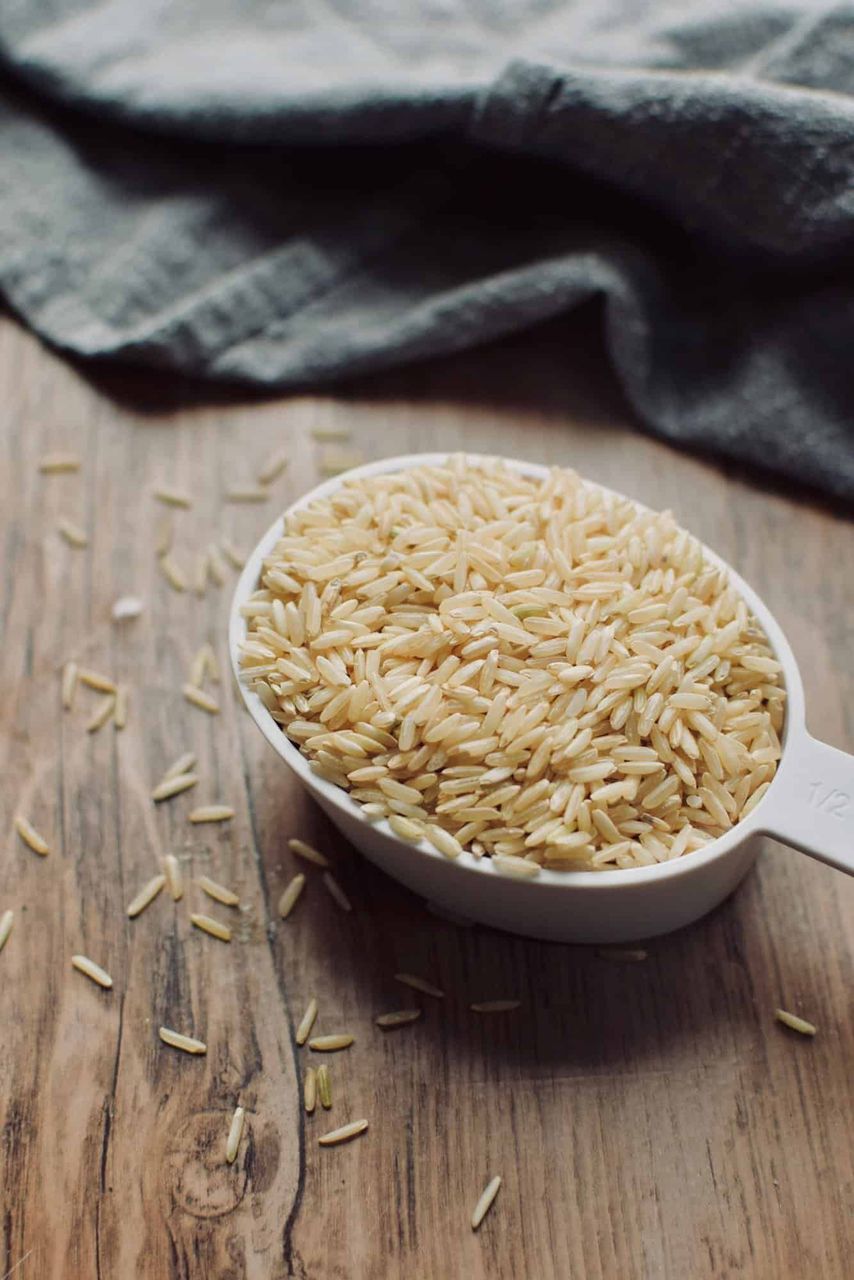
White rice is a dietary staple for many, but switching to healthier alternatives like quinoa or brown rice can significantly boost the nutritional value of your meals. While white rice provides energy, it lacks the fiber and essential nutrients found in these whole-grain alternatives. Embracing quinoa or brown rice is a step toward better health and long-term wellness.
Why Make the Swap?
White rice is heavily processed, removing the bran and germ, and leaving mainly starchy endosperm. This process strips away most of its fiber, vitamins, and minerals. Quinoa and brown rice, on the other hand, retain their nutrient-rich outer layers, offering greater health benefits.
Nutritional Profiles
1. Quinoa
Quinoa is a gluten-free seed often used as a whole grain. It comes in various varieties, including white, red, and black quinoa.
- Complete Protein: Contains all nine essential amino acids.
- High Fiber: Nearly double the fiber of white rice.
- Nutrient-Dense: Rich in magnesium, phosphorus, iron, zinc, and B vitamins.
2. Brown Rice
Brown rice is a whole grain with only the husk removed, preserving its bran and germ layers.
- Good Fiber Source: Supports digestion and satiety.
- Magnesium-Rich: Vital for energy production and bone health.
- Antioxidant Content: Protects against oxidative stress.
Health Benefits of Quinoa and Brown Rice
1. Improved Digestive Health
High in dietary fiber, both promote digestion, prevent constipation, and support gut health.
2. Better Blood Sugar Control
With lower glycemic indices than white rice, they prevent spikes in blood sugar, benefiting those with diabetes.
3. Enhanced Heart Health
Fiber and magnesium in quinoa and brown rice lower cholesterol and support blood pressure regulation.
4. Weight Management
Their protein and fiber promote fullness, reducing overall calorie intake.
5. Nutrient Boost
- Quinoa: Provides essential amino acids for vegetarians and vegans.
- Brown Rice: Contains selenium and manganese for thyroid function and antioxidant support.
6. Gluten-Free Options
Both are naturally gluten-free, making them ideal for those with gluten sensitivities or celiac disease.
7. Stronger Bones
Magnesium and phosphorus in these grains support bone health.
8. Chronic Disease Prevention
Their antioxidants and anti-inflammatory properties lower risks of diabetes, obesity, and certain cancers.
How to Incorporate Quinoa and Brown Rice into Your Diet
- Plain Side Dish: Replace white rice with quinoa or brown rice.
- Salads: Use quinoa as a base for hearty salads or include brown rice in warm grain salads.
- Rice Bowls: Build balanced bowls with protein, vegetables, and sauces.
- Soups and Stews: Add cooked quinoa or brown rice for texture and nutrition.
- Breakfast Porridge: Create a warm dish with milk, fruits, and nuts.
- Stuffed Vegetables: Use them as fillings for peppers or zucchinis.
- Stir-Fries: Swap white rice for quinoa or brown rice in your favorite recipes.
Challenges and Tips
- Cooking Time: Brown rice takes longer to cook. Soak it or use a pressure cooker to save time.
- Flavor: Quinoa’s nutty taste may need adjustment. Rinse thoroughly to remove bitterness.
- Cost: Quinoa may be pricier than white rice. Buy in bulk to cut costs.
✨ The Bottom Line
Switching from white rice to quinoa or brown rice enhances the nutritional profile of your meals, supporting digestion, heart health, and weight management. These versatile and nutrient-dense alternatives are simple to integrate into your diet, providing sustained energy and long-term health benefits. Take this small step today to enjoy a healthier lifestyle!
For more information, contact +233 (0) 54 732 9421